

How India’s Fashion Identity Evolved From Culture to Couture
India is a land of contrast ancient traditions standing boldly next to modern innovations. And nowhere is this contrast more beautifully visible than in Indian fashion.
Each state has its own traditional clothing, textile heritage, weaving legacy, draping techniques, and color stories. Yet at the same time, every region is embracing modern fashion, fusion wear, streetwear, and global trends.
This blog explores traditional fashion in India, modern fashion in India, and how clothing across Indian states transformed over time. If you ever wondered how Tamil Nadu’s Kanjivaram silk compares to Mumbai’s streetwear culture or how Manipuri phaneks coexist with Korean-inspired fits this guide decodes it all.
Why Indian Fashion Is So Diverse
India’s fashion identity is shaped by:
-
climate differences
-
regional cultures
-
fabrics and weaving traditions
-
royal histories
-
influence of films and celebrities
-
globalization and social media
-
youth-driven modern dressing styles
This mix makes the contrast between traditional vs modern clothing in India especially fascinating.
1. North India Fashion: Heritage Meets Glamour
Traditional Fashion of North India
North Indian states Delhi, Uttar Pradesh, Haryana, Punjab, Himachal Pradesh, Uttarakhand, and Jammu & Kashmir have rich traditional clothing cultures.
Key Traditional Outfits
-
Phulkari suits (Punjab)
-
Sharara & gharara sets (UP & Lucknowi culture)
-
Chikankari kurtas (Lucknow)
-
Pheran (Kashmir)
-
Woolen shawls & pashmina (Himalayan region)
North Indian fashion is detailed, colourful, and heavily influenced by Mughal history.
Modern Fashion in North India
Delhi has become a hub for modern Indian fashion, influencing nearby states.
Modern Trends
-
power suits
-
denim-on-denim
-
Indo-western dresses
-
oversized shirts
-
streetwear and sneakers
-
athleisure
North India is deeply into luxury fashion, designer labels, and high-street styling.
Fusion Fashion in North India
This region blends tradition & modernity easily:
-
Chikankari kurti with jeans
-
Phulkari jackets on dresses
-
Sharara pants with crop tops
-
Pashmina scarves with western coats
This fusion has made North India a major influencer in Indian culture fashion.
2. South India Fashion: Tradition Refined, Modernity Minimal
South India includes Tamil Nadu, Kerala, Andhra Pradesh, Telangana, and Karnataka each with unique cultural dress forms.
Traditional Fashion in South India
Famous Traditional Clothing
-
Kanjivaram silk sarees (Tamil Nadu)
-
Kasavu saree (Kerala)
-
Mysore silk (Karnataka)
-
Pochampally Ikat (Telangana)
-
Lehenga-style half-saree (Langa voni) (Andhra & Telangana)
South India loves texture, rich fabrics, and sophistication.
Modern Fashion India: Southern Edition
Modern South Indian youth prefer:
-
linen shirts
-
pastel co-ords
-
simple gold jewelry
-
minimal Korean-style fashion
-
smart casuals
-
breathable cotton fits
Bangalore especially pushes minimal, tech-city aesthetics.
Traditional vs Modern Fashion in the South
Fusion looks here are subtle:
-
half-saree paired with crop top
-
ikat jackets with modern silhouettes
-
plain saree with contemporary blouses
-
denim with temple jewelry
South India leads India’s sustainable fashion movement.

3. West India Fashion: Royalty, Streetwear & Fusion Powerhouse
West India includes Maharashtra, Gujarat, Rajasthan, and Goa.
Traditional Clothing in Western India
-
Bandhani & lehariya prints (Rajasthan & Gujarat)
-
Ghagra-choli (Rajasthan)
-
Nath & Paithani saree (Maharashtra)
-
Mirror-work lehengas (Kutch region)
-
Kunbi saree (Goa)
Western India’s traditional fashion is bold, colourful, and artisanal.
Modern Fashion in Western India
Mumbai and Pune lead modern dressing styles in India.
Trending Fits
-
streetwear
-
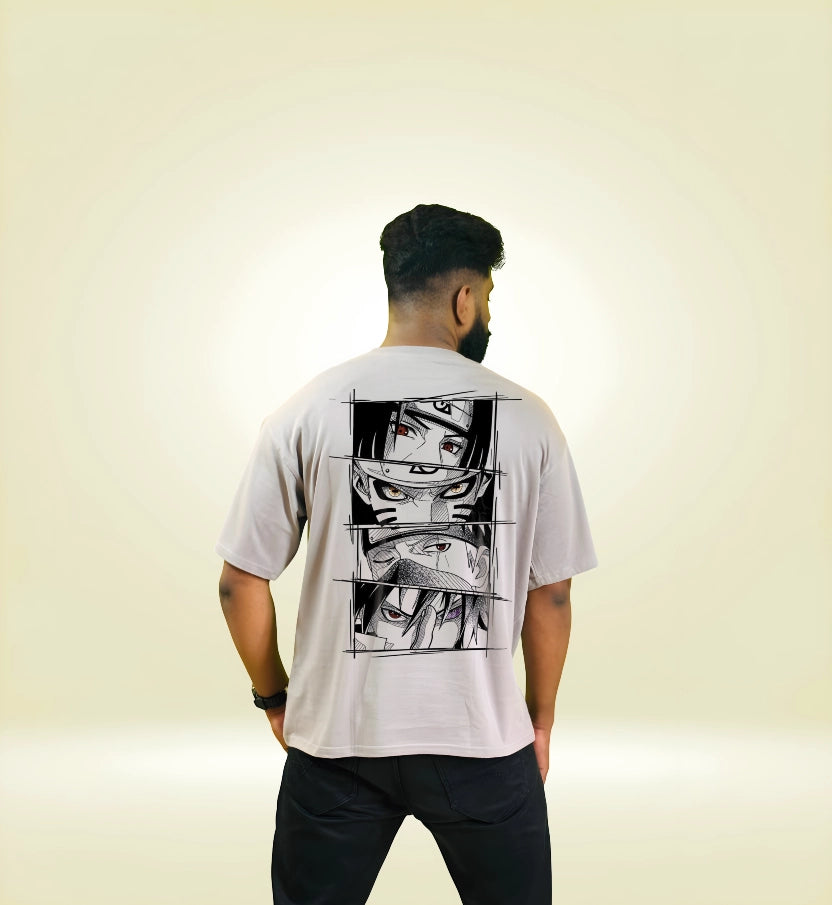
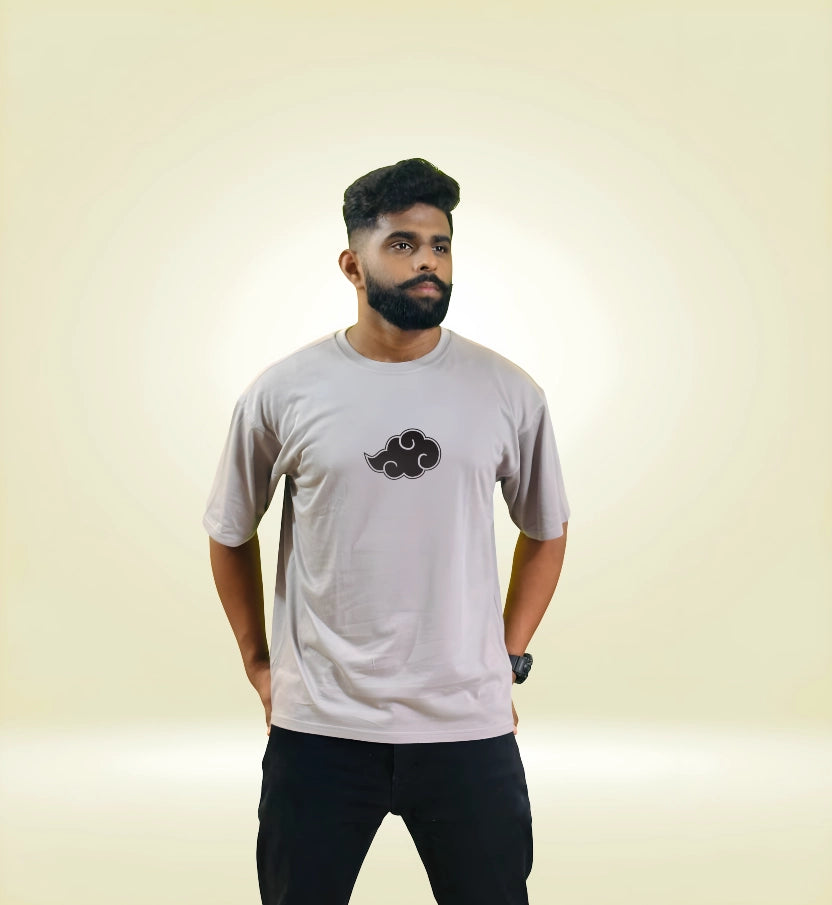
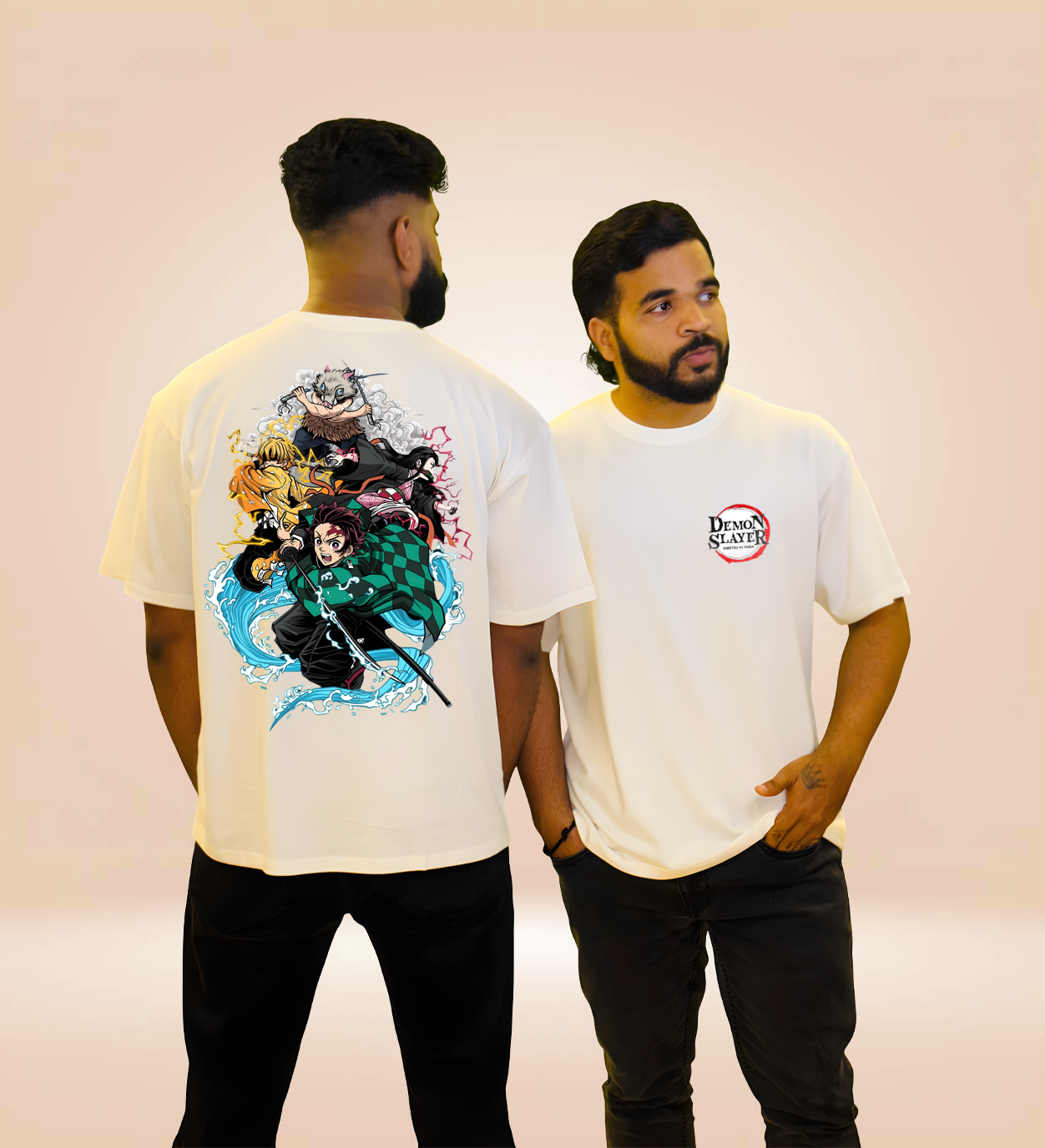
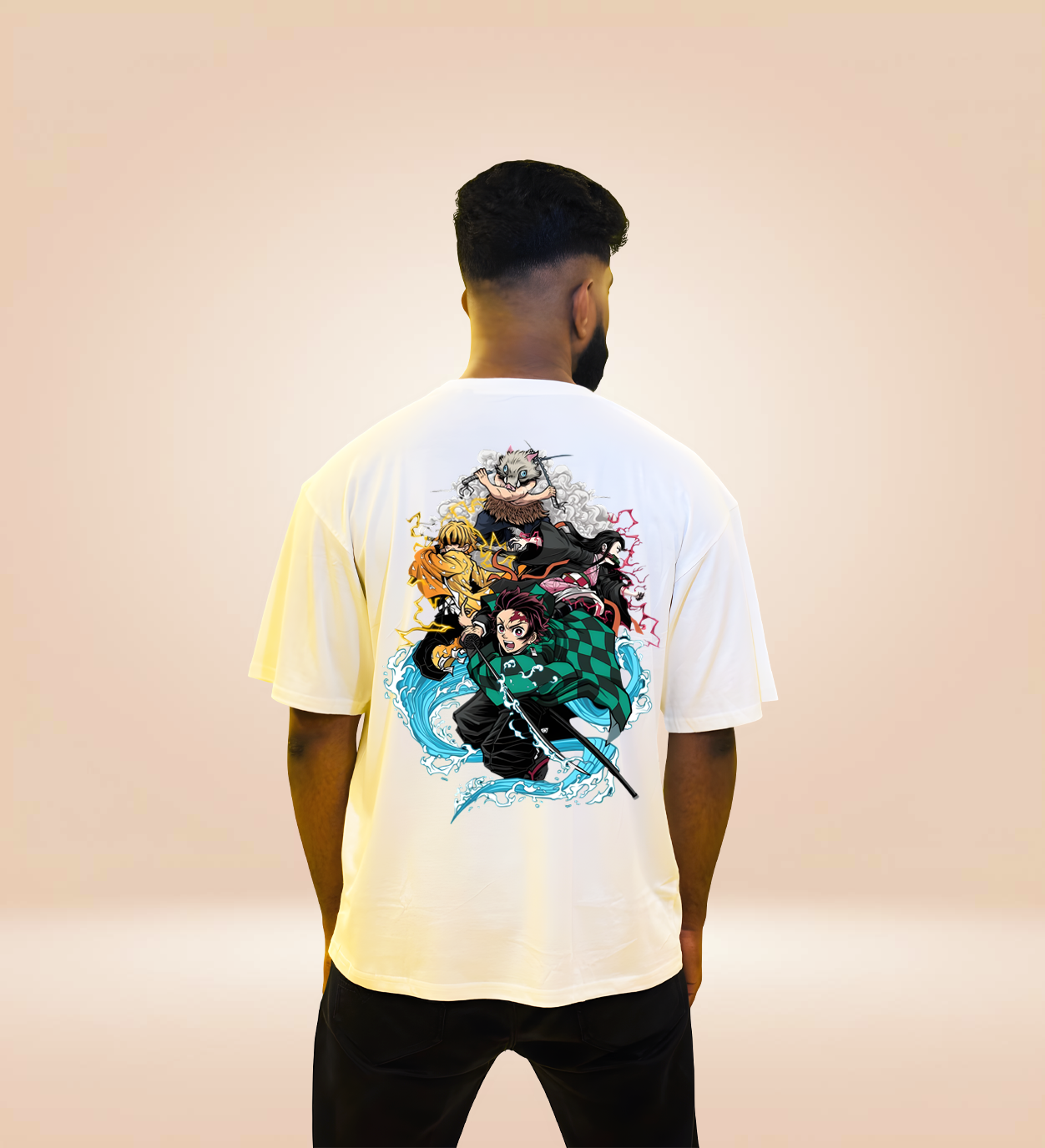
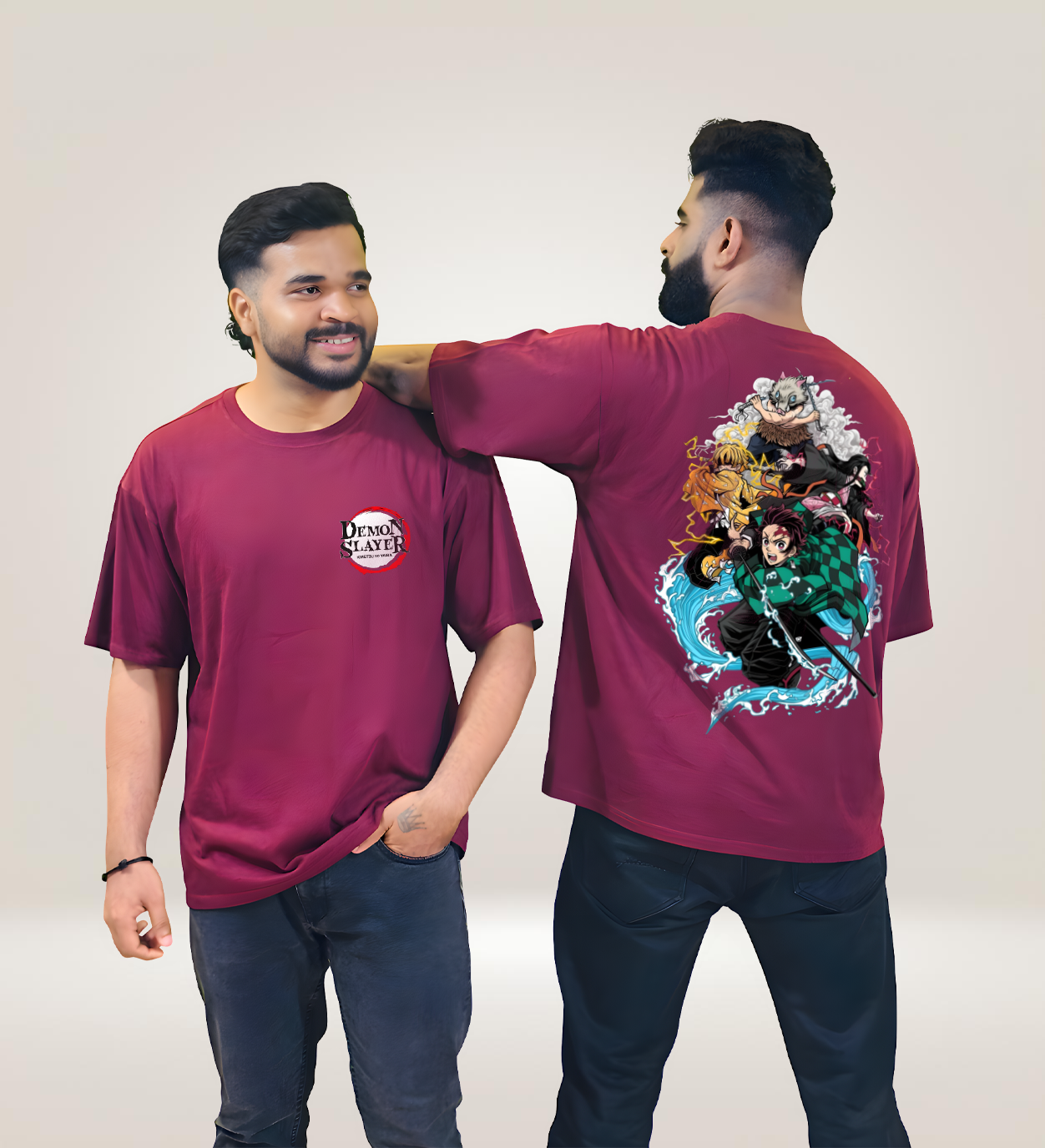
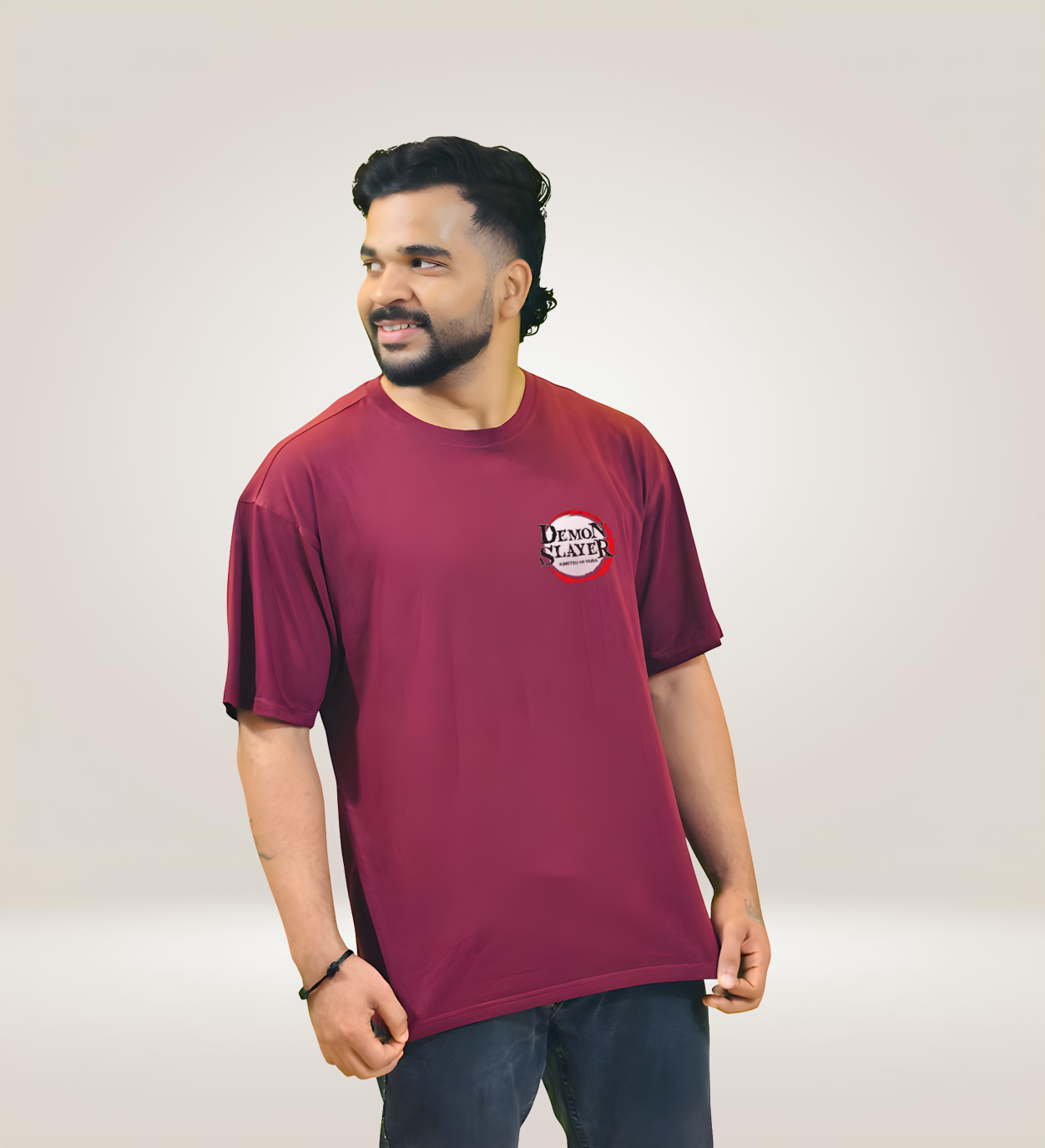
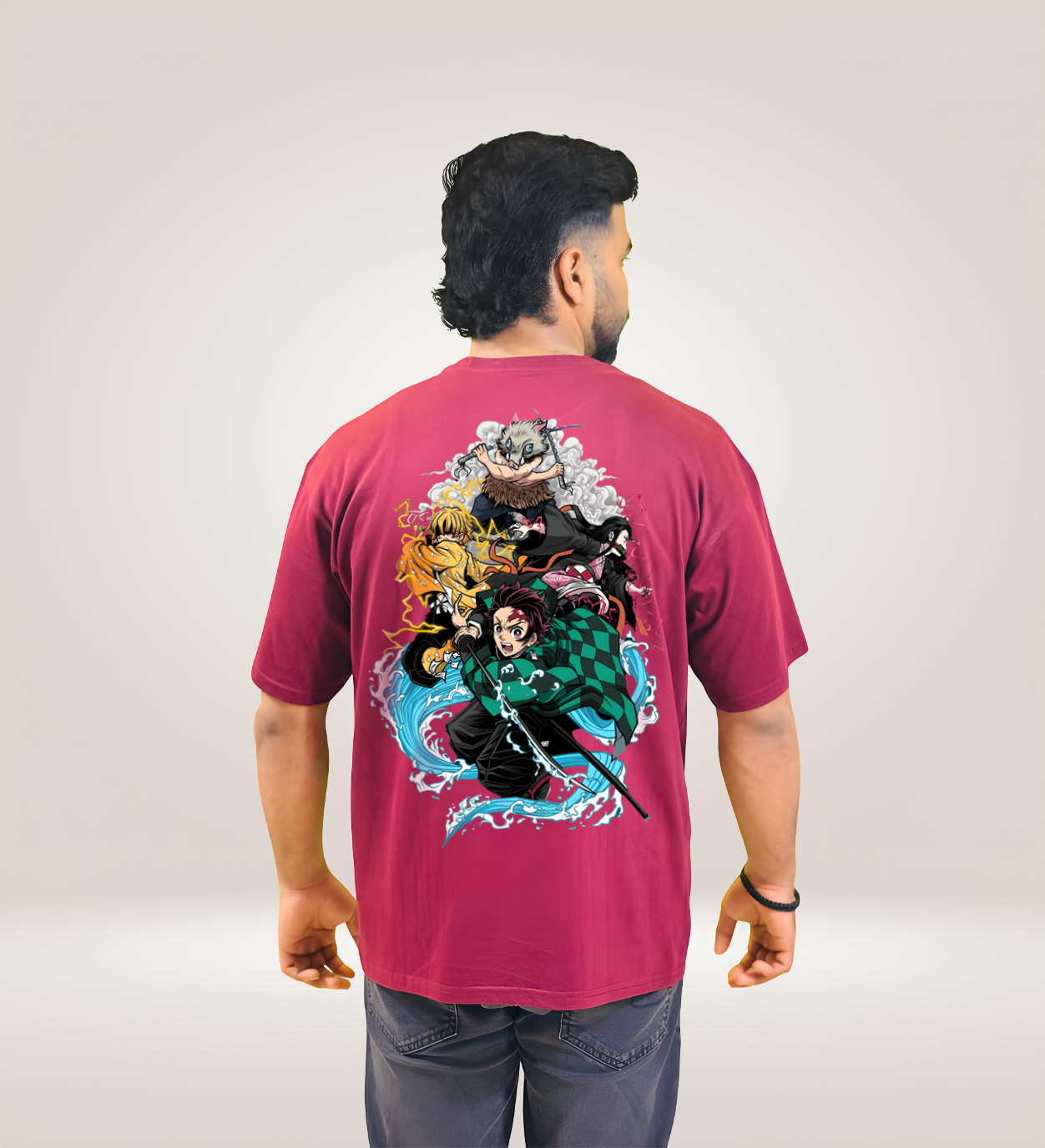
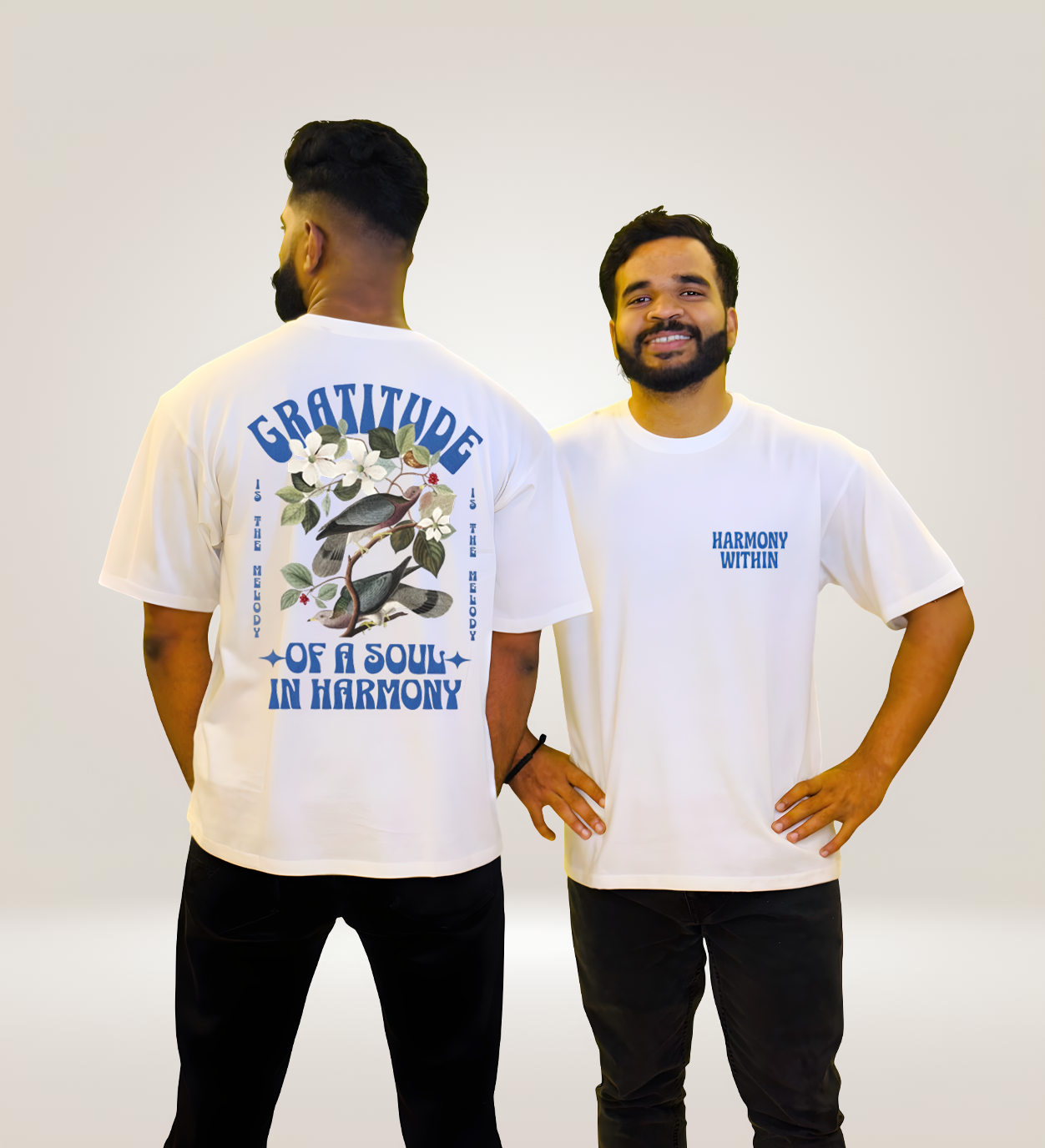
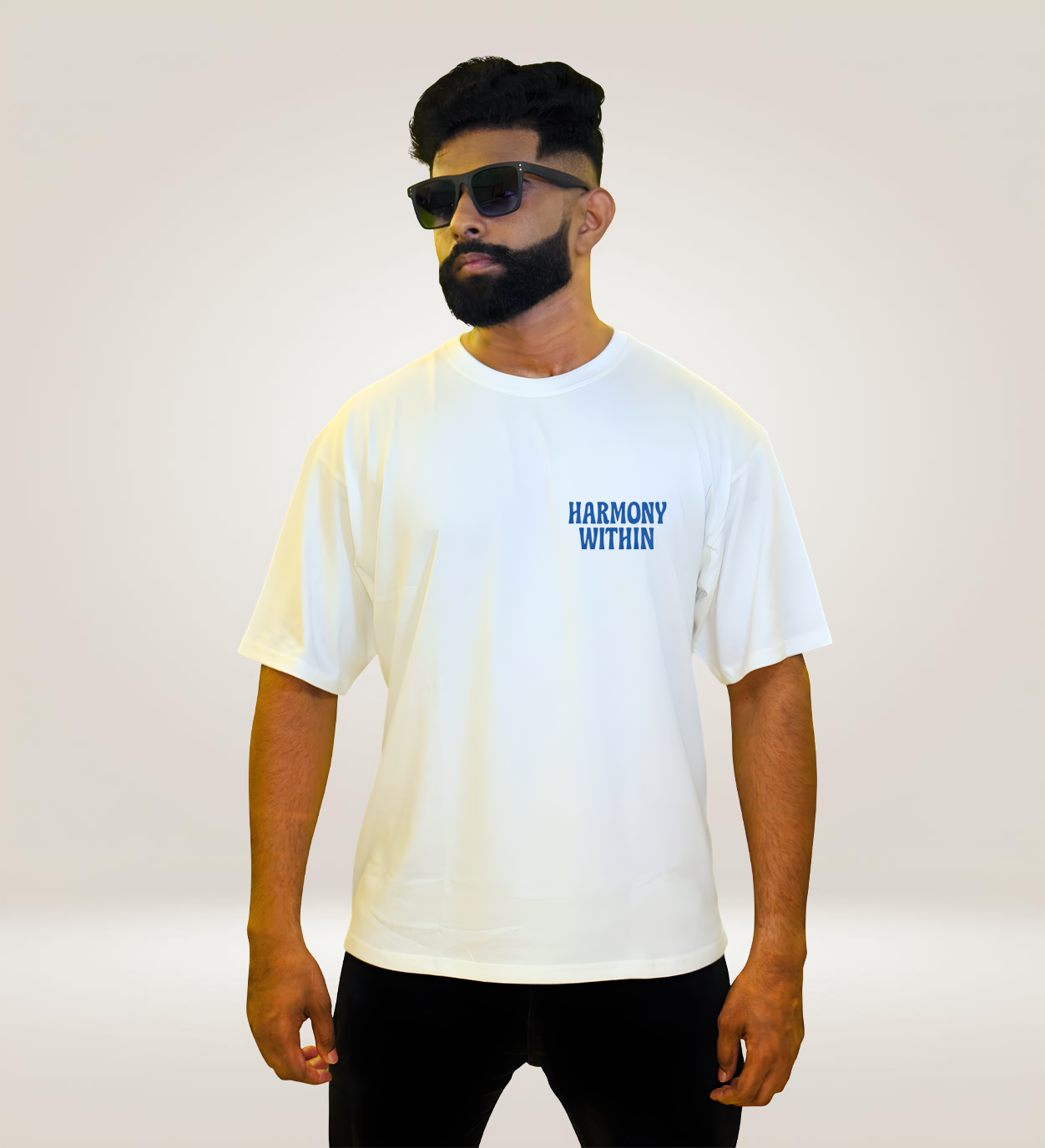
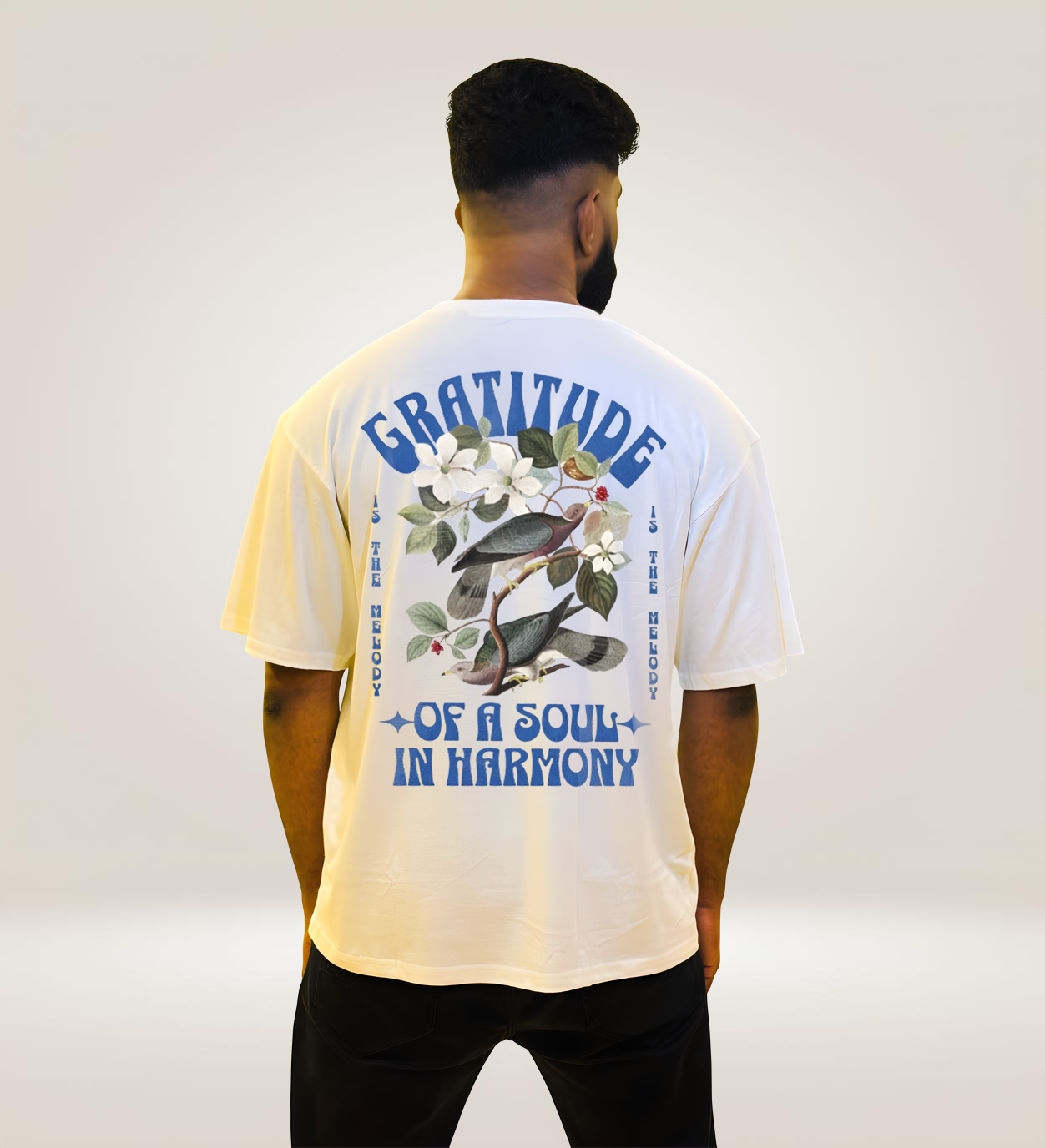
oversized tees
-
cargos
-
designer wear
-
boho vacation fits (Goa)
-
crop tops + denim combos
Mumbai is the streetwear and celebrity fashion capital of India.
Fusion Fashion in the West
-
Bandhani shirts
-
Paithani skirts
-
Mirror-work jackets
-
Crop tops with ghagra
Rajasthan and Gujarat are trendsetters for festive fusion fashion.
4. East India Fashion: Culture-Rich, Artistic & Evergreen
Eastern India includes West Bengal, Odisha, Bihar, and Jharkhand.
Traditional Clothing in Eastern States
Eastern Fashion Highlights
-
Tant & Jamdani sarees (Bengal)
-
Handwoven gamcha prints (Bihar)
-
Sambalpuri Ikat (Odisha)
-
Tribal sarees & handloom textiles (Jharkhand)
Eastern fashion is soft, artistic, and deeply rooted in textile culture.
Modern Fashion in East India
Eastern youth prefer:
-
vintage shirts
-
artsy prints
-
earthy tones
-
loose silhouettes
-
unisex fashion styles
Kolkata has one of India’s strongest thrift and vintage communities.
Fusion Clothing in East India
-
Jamdani saree with modern blouses
-
Ikat skirts
-
Handloom jackets
-
Gamcha shirts
East India has become a global representation of handloom fashion in India.
5. Northeast India Fashion: Indigenous Beauty Meets Global Trends
The Northeast Assam, Manipur, Meghalaya, Mizoram, Nagaland, Arunachal Pradesh, Tripura & Sikkim showcases fashion like no other region.
Traditional Fashion of Northeast India
Cultural Clothing Highlights
-
Mekhela Chador (Assam)
-
Phanek & Innaphi (Manipur)
-
Wrap skirts & shawls (Nagaland & Mizoram)
-
Tribal weaves (Arunachal & Meghalaya)
Patterns, colours, beads and handmade textiles dominate.
Modern Fashion in Northeastern States
The Northeast is heavily influenced by Korean, Japanese, and global trends.
Modern Dressing Styles
-
oversized fits
-
monochrome outfits
-
boots and sneakers
-
dyed hair
-
cargo skirts
-
minimal streetwear
Northeast India is considered the fashion-forward youth hub of India.
Fusion Fashion in the Northeast
-
Traditional wrap skirts with sneakers
-
Tribal jewelry with denim
-
Modern jackets on cultural skirts
No region blends cultures as effortlessly.
How Indian Fashion Changed Across States
Over the last decade, Indian fashion has experienced a major evolution:
-
Social Media Influence
-
Mall Culture & Fast Fashion
-
Thrifting Culture
-
Fusion Wear Demand
-
Rise of Homegrown Brands
-
Sustainability Movement
-
Changing Work Culture
Indian fashion is no longer just traditional or modern it is a hybrid identity.
Traditional vs Modern Clothing India: What’s Winning Today?
The answer is simple: Both. Together.
Traditional Fashion India dominates:
-
weddings
-
festivals
-
cultural events
-
family functions
Modern Fashion India rules:
-
workplaces
-
colleges
-
travel & nightlife
-
daily lifestyle
Fusion Fashion India wins overall.

State-Wise Fashion Comparison (Quick View)
| Region | Traditional Fashion Highlights | Modern Fashion Highlights |
|---|---|---|
| North India | Phulkari, Chikankari, Pheran | Luxury streetwear, power dressing |
| South India | Kanjivaram, Kasavu, Ikat | Minimal fits, Korean-inspired styling |
| West India | Paithani, Bandhej, Ghagra | Streetwear, boho, Indo-western |
| East India | Jamdani, Sambalpuri, Gamcha | Vintage, artsy, handloom modern |
| Northeast | Mekhela, Phanek, Tribal weaves | Korean fashion, edgy streetwear |
Conclusion: India’s Fashion Identity in 2025-2026
India is a cultural wardrobe
where every state tells a story,
every fabric carries history,
and every design feels personal.
Traditional fashion India.
Modern fashion India.
Fusion fashion India.
All three are rewriting India’s fashion future.




0 comments